How to Help Your Kids Combat Clickbait Scams

We’ve all fallen for clickbait. Sometimes it’s a juicy headline designed to spark curiosity and drive traffic to a specific website. Other times it’s a quiz that will magically reveal your celebrity look-alike. While the innocent click connected to most clickbait is seemingly harmless, some clickbait can install dangerous malware onto your devices. 

According to the FBI’s Crime Complaint Center’s 2020 Internet Crime Report, internet crime increased by 300,000 complaints from 2019 to 2020. This statistic represents a 50 percent increase over one year and losses exceeding $4.2 billion.  

Some clickbait scams exploit current events and the cultural climate, according to the Better Business Bureau. The scam-tracking organization warns consumers to be wary of any news items, links, and popups that require you to give personal information. Depending on the scam’s goal, the wrong click can result in a slew of email or text spam, malicious data mining, or even a monthly charge on your phone bill. And the hidden hook? Clickbait appears to be harmless at first glance, so we often share it with friends without understanding the entire risk.  

Critical Thinking vs. Impulse  

Clickbait relies on behavioral science. Bad actors online know that people are naturally curious. They want to understand, close their knowledge gaps, and be entertained. A popular article in Wired attributes our collective affinity for clickbait to the role emotion plays in our daily choices and to our lazy brains. We want instant gratification when filling our knowledge gaps online, cites Wired, which is why we forgo caution and opt for quick clicks we know won’t deliver on its promise.  

One way to begin changing those habits and to teach our kids to do the same is by encouraging critical thinking and strengthening our digital literacy skills. Critical thinking is more than just pausing before you click. It’s understanding the environment. Critical thinking is using websites and apps with a keen eye toward the goals, motivations, and agendas of the content provider. It’s asking questions suchy as: Where will this link take me? What’s this app or link’s goal? Do I know the person who sent me this link? What is this person, app, or website asking me to do? What risks could be on the other side of this link? 

 How to combat clickbait.

The digital world and the paths we travel are littered with malicious landmines. One way to avoid those scams is to both stay educated and layer up with protection. Here’s how you (and your loved ones) can steer clear of the digital deception of clickbait.  

Don’t fall for it.  

Avoid clicking headlines that tout exclusive, shocking, or “you won’t believe what happened next” content or footage. If it sounds outrageous or smacks of gossip, it’s likely a scam.  

Double up device protection.

Few people have the extra bandwidth to analyze internet content 24/7. For targeted protection against malware and viruses, consider comprehensive security software.   

Avoid Smishing. 

Clickbait sent via text (SMS) is called smishing, and it tends to spike during the holiday season. The link can appear from a big brand retailer and might alert you to a holiday package or encourage you to apply for a holiday loan. Do not click. Report smishing and forward the spam SMS message to the Spam Reporting Service at 7726 (SPAM). 

Avoid suspicious links. 

Avoid questionable websites that prompt you to click on links, complete a survey, or download extra plug-ins to access the content you want. Look for the ‘S’ in HTTPS in URLs when browsing online. The ‘S’ means the website is safe and secure. 

Don’t offer personal information. 

Do give personal information or banking details to unknown websites or share your password with any vendor or site.  

Hover over the link.

If you hover over a hyperlink, its web address will pop up which could lead you to unfamiliar websites.  

Trust no one—not even friends. 

Today, sadly, you can’t even trust emails and direct messages, posts, or even texts from your friends because they may have been hacked. Bad actors have found ways to drop familiar details into conversations and reach out in personable ways that immediately gain your trust. Pause and analyze before liking or sharing a link to a news item, a giveaway, or an opportunity. It may not be your friend that posted or recommended the link.  

Get choosy about content.

 You may agree with a headline or be outraged by a piece of “news,” but that doesn’t mean it’s true. Bad actors are savvy. They will exploit political division or a global tragedy and capitalize on fear by planting clickbait that is almost impossible to ignore without clicking. This tactic makes people feel emotionally compelled to share the story with others, which only increases the scam’s destruction. Look for spelling errors, poorly designed websites, and misspelled web addresses.    

If something doesn’t look right, but you’re curious about the information in the headline, stop and do your research before sharing. Go to a reliable news site to verify the information.  

There are bad actors, digital distractions, and cyber traps around every corner online. However, deciding to be intentional with your family’s online safety will render long-term habits that will shut out the bad actors online, making more room for the good stuff we all enjoy. 

The post How to Help Your Kids Combat Clickbait Scams appeared first on McAfee Blogs.

—————
Boost Internet Speed
Free Business Hosting
Free Email Account
Dropcatch
Free Secure Email
Secure Email
Cheap VOIP Calls
Free Hosting
Boost Inflight Wifi
Premium Domains
Free Domains

Social Engineering: Tis the Season for Tricky Hackers

With the holidays on the horizon, spirits are high—and it’s those same high spirits that hackers want to exploit. ‘Tis the season for clever social engineering attacks that play on your emotions, designed to trick you into giving up personal info or access to your accounts.  

Social engineering attacks unfold much like a confidence scam. A crook takes advantage of someone’s trust, applies a little human psychology to further fool the victim, and then pulls off a theft. Online, a social engineering attack will likely involve a theft attempt of personal or account information that the crook can then use to make purchases, drain accounts, and so forth. 

Not at all in the holiday spirit, right? Let’s take a look at some of their top tricks so that you can spot and avoid them. 

As said, spirits can get high this time of year. There’s looking forward to gatherings with family and friends, the fun that comes along with hunting for that perfect gift, and the excitement of the holidays overall. And that’s what hackers count on—people getting caught up in the rush of the holidays, to the point where they may not look at emails, offers, shipping notices, and such with a critical eye. That’s how the scammers get their foot in the door. 

Some of their favored tricks can look a little like this: 

1. Special access to hard-to-get holiday gifts. 

What are the holidays without that trendy “must-get” gift item, the one that’s seemingly out of stock no matter where you look? Scammers are keen on these items as well and will prop up phony ads and storefronts that pretend to sell those items but really don’t. Instead, they’re just a shady way for them to steal your debit or credit card information—or to lift a few bucks out of your pocket in return for nothing. 

One way to keep from getting burned by one of these scams is to follow the old adage, “If it looks too good to be true, it probably is.” In this case, crooks are using feelings of scarcity and urgency to get you to bite. Here’s where you can take a moment before you click to do some research.  

  • How long has the company been around?  
  • Are there reviews of this company?  
  • Do you have friends who’ve shopped with them before (and had a good experience)?  
  • What is their listing with the Better Business Bureau (and do they even have a listing)? 

Answers to these questions can separate the good businesses from the bogus ones. 

2. Gift card and coupon scams. 

Like the above, crooks will create a sense of urgency about a hot holiday item or limited time offer. The twist comes when they request payment via a gift card rather than by credit or debit card or other legitimate online payment methods. This request is highly deliberate because gift cards are much like cash. Once the money on the card is spent, it’s gone, and these cards do not offer the same protections that come with other payment methods. 

You can avoid this one easily. If anyone asks you to use a gift card as payment, it’s a scam. Gift cards are for gifts, not payment, says the Federal Trade Commission (FTC). If you come across such a scam, you can report it to the FTC as well. 

3. Charity scams. 

Donating to a charity in someone else’s name is often a popular gift. Much the same, giving a donation to a worthy cause feels particularly good this time of year. Once again, scammers will take advantage of these good intentions by propping up phony charities designed to do nothing more than dupe you out of your money. Whether that’s a flat-out phony charity or one of the many other scam charities that have been known to pocket 90 cents of every dollar donated, this is the time of year to be on the lookout for both. 

The advice here is much the same as the advice for avoiding phony businesses and retailers. Do your homework. The Better Business Bureau maintains a listing of charities that can help you make good donation choices. Also, your state government’s charity officials can help you separate good charities from bad—and even file a report if you suspect a scam is at play. 

And once again, if a charity is asking for donations in the form of cash, gift cards, or wire transfer, just say no. That’s a surefire sign of a scam. 

4. Phony shipping notices. 

Scammers know you have packages in transit this holiday season, loaded with gifts that you’re eagerly tracking. Enter another classic scam—the phony shipping notice. The idea is that you already have so many packages on their way that you won’t think twice about opening an email with a “shipping notice” that comes in the form of an attachment. Of course, that attachment is a fake. And it’s loaded with malware.  

Too bad for scammers, though. This is another one you can steer clear of rather easily. Don’t open such attachments. Shipping companies will almost certainly send along notices and invoices in the body of an email, not as an attachment. If you have a question, you can always visit the shipper’s website and look up your tracking info there. Likewise, follow up with the customer service department of the company that you purchased the item from in the first place. 

Yet more ways you can protect yourself from holiday scams 

While the holidays are a special time for scammers too, there are several things you can do to up the level of your protection now and year ‘round. A quick list includes: 

  • Secure your devices and set your email spam filters. If you haven’t already, secure your devices with comprehensive online protection. With that in place, it can prevent you from mistakenly clicking risky links and downloads, blot out spam emails before they reach your inbox, and protect your accounts with strong, unique passwords. 
  • Protect your identity too. Another thing that comprehensive online protection should cover is you. With identity theft protection, you can protect yourself. It can monitor dozens of different types of personal info along with your email addresses and bank accounts—plus provide theft insurance and support from a licensed recovery pro if identity theft, unfortunately, happens to you. 
  • Beware of downloads you aren’t expecting. This is always good form because hackers love to spike downloads with malware designed to steal your personal information. Whether you get an unexpected attachment from a friend or business, follow up with them before opening it. If they say they didn’t send it, that’s a quick way to find out whether the attachment is legitimate or not. 
  • Keep an eye out for typos and poorly crafted messages. Scammers may know a thing or two about human nature, but that doesn’t mean that they’re the best writers, designers, and website developers. A common sign of a scam is an email, ad, message, or site that simply doesn’t look or read right. Granted, some scammers have gotten quite good at making their scams look legitimate, yet many still fail to clear that bar 

Keep the good feeling going this holiday season 

No doubt, the holidays have a feel all to themselves, one which hackers and crooks want to take advantage of. They’ll craft their tricks accordingly and try to twist the good times that roll around at the end of the year into scams that capitalize on your good intentions. As you can see, it’s not too tough to spot them for what they are if you pause and take a moment to scrutinize those emails, offers, and sales. And that’s the thing with the holidays. We can all feel pinched for time at some point or other during this stretch. Look out for their pressure tactics and seemingly clever ways of using social engineering to rip you off. That way, you can spend the holidays focusing on what’s important—your friends and family. 

The post Social Engineering: Tis the Season for Tricky Hackers appeared first on McAfee Blogs.

—————
Boost Internet Speed
Free Business Hosting
Free Email Account
Dropcatch
Free Secure Email
Secure Email
Cheap VOIP Calls
Free Hosting
Boost Inflight Wifi
Premium Domains
Free Domains

‘Tis the Season for Scams

Co-authored by: P, Sriram, and Deepak Setty

‘Tis the season for scams. Well, honestly, it’s always scam season somewhere. In 2020, the Internet Crime and Complaint Center (IC3) reported losses in excess of $4.1 billion dollars in scams which was a 69% increase over 2019. There is no better time for a scammer celebration than Black Friday, Cyber Monday, and the lead-up to Christmas and New Year. It’s a predictable time of the year, which gives scammers ample time to plan and organize. The recipe isn’t complicated, at the base we have some holiday excitement, sprinkle in fake shopping deals and add some discounts, and ho ho ho we have social engineering scams.

In this blog, we want to increase awareness related to scams as we expect elevated activity during this holiday season. The techniques used to scam folks are very similar to those used to spread malware too, so always be alert and use caution when browsing and shopping online. We will provide some examples to help educate consumers on how to identify scams. The victims of such scams can be others around you like your kids or parents, so read up and spread the word with family and friends. Awareness, education, and being alert are key to keeping you at bay from fraudsters.

Relevant scams this season

Although there is a myriad of scams out there, we expect the most common scams and targets this season to be:

  1. Non-delivery scams – Fake online stores will attempt to get you to purchase items that you will never end up receiving
  2. Deals that get shoppers excited. Supply chain issues recently will give scammers more fodder. Scammers can place bait deals on popular items
  3. Elderly parents/grandparents looking for cheap medical equipment, medical memberships, or looking to purchase and ship their grandchildren presents for the holidays.
  4. Emotionally vulnerable people might fall prey to romance scams
  5. Children looking for free, Fortnite Vbucks and other gaming credits may fall prey to scams and could even get infected with potentially unwanted programs
  6. Charity scams will be rampant.

SMSishing, email-based Phishing, and push notifications will be the most common vectors initiating scams during this holiday season. Here are some common tactics in use today:

1. Unbelievable deals or discounts

This is a common theme around this time of the year. Deals, discounts, and gift cards can be costly to your bank account. Be wary of URLs being presented to you over email or SMS. Phishing emails, bulk mailing, texting, and typo-squatting are some of the ways that scammers target their prey.

2. Creating a sense of urgency

Scammers will create a sense of urgency by telling you that you have limited time to claim the deal or that there is low inventory for popular items in their store. It’s not difficult for scammers to identify sought-after electronics items or holiday gifts for sale and offer them for sale on their fake stores. Such scams are believable given the supply chain challenges and delivery shortages over the last few months.

3. Utilizing Scare tactics

Getting people worried about a life-changing event or disrupting travel plans can be concerning. So, if you get an unexpected call from someone claiming to be from the FBI, police, IRS, or even a travel company, stop and think. They may be using scare tactics to dupe you. Never divulge personal information and if in doubt, ask them a lot of directed questions and fact check them. As an example, check to see if they know your home address, account number, itinerary number, or bank balance depending on who they claim to be. Scammers typically don’t have specific details and when put on the spot, they’ll hang up.

4. Emotional tactics

Like scare tactics, scammers may prey on vulnerable people. Although there can be many variations of such scams, the more common ones are Romance Scams where you end up connecting to someone with a fake profile, and Fake Charity Scams where you receive a phone call or an email requesting a donation. Do not entertain such requests over the phone especially if you receive a phone call soliciting a donation. During the conversation, they will attempt to make you feel guilty or selfish for not contributing enough. Remember, there is no rush to donate. Go to a reputable website or a known organization and donate if you must after due diligence.

Tips to identify a scam

Successful scams are situationally accurate. You may be the smartest guy in the room, but when you eagerly waiting for that delivery and you see an email update claiming a delivery delay from UPS, you might fall for a scam. This is particularly true in the holiday season and therefore such themes are more prevalent. Here are some tips on how to identify scams early on.

  1. Be suspicious of anything that is pushed to you from an unknown source – emails, SMS, advertisements, phone calls, surveys, social media. This is when you are being solicited to do something you might not have otherwise chosen to
    1. Avoid going to unknown websites to begin with. You always have the option to r before you click on a link. You can always use some of the following trusted free resources to validate a domain or business
      1. https://trustedsource.org/ – to look up a URL
      2. https://www.virustotal.com/gui/home/url – to look up a URL
      3. https://www.bbb.org/ – to validate a business, charity, etc
      4. https://whois.domaintools.com/ – to look up site history. A new or recent domain is less trustworthy. Scammers register new domains based on the theme of their scams.
    2. If you do end up navigating, look for the following to build trust in a link:
      1. Ensure it’s an “https” domain versus an “http”. A valid “https” certificate just means that your data is encrypted enroute to the website. Although this method isn’t indicative of a scam, some scams are hosted on compromised “http” sites. (example 1))
      2. Closely look at the domain name. They might be indicative of fakes. Scammers would typically register domains with very similar names to deceive you. For example, Amazon.com could be replaced by Arnazon.com or AMAZ0N.com. ‘vv’ could be replaced for ‘w’, ‘I’ for a 1, etc. Same goes for emails you receive – take a close look
      3. Another common way of reaching a fake website is due to “typosquatting” but this is typically human error, where a user may type an incorrect domain name and reach a fake site.
      4. Most legit sites will have a “Contact us”, “About Us”, “Conditions of Use”, “Privacy Notice”/”Terms”, “Help”, Social Media presence on Twitter, FB, Instagram, etc. Read up on the pages to learn about the website and even look for website reviews before you make a purchase. Fake websites do not invest a lot of time to populate these – this could be a giveaway.
    3. Always confirm the sender of and email or text by validating the email address or phone number. For example, if an email claims to be from BankOfAmerica, you would expect their email domain in most cases to be from “@bankofamerica.com” and not from “@gmail.com”. Avoid clicking on links from emails or messages when you don’t know the sender.
    4. If you end up linking to a page because of an email or message, never provide personal details. Any site asking for such information should raise red flags. Even if the site looks legit, Phishing scammers make exact replicas of web pages and try to get you to login. This allows them to steal your login credentials. (Example 4)
    5. Don’t feel pressured to click on a link or provide details to solicitors in such cases especially. Any attempt to gather personal data is a big NO.
    6. Never open attachments from unknown people. Emails with document attachments or PDF Attachments are very popular in spreading malware. The attachment names are typically very enticing to click on. Names like “invoice.pdf”, “receipt.doc”, “Covid-19 test results.doc”, etc. may invite some curiosity but could also lead to malware.
    7. Ensure you review the hyperlink before you click them. It’s easy to fake the text and get you to an illegit page (Example 2)
    8. Anyone who insists on payments using a pre-paid gift card or wire transfer, instead of your typical credit card is most likely attempting to scam you.
  1. The end goal of a scammer is that they want to make money – so be alert with your cards and their activity.
    1. Avoid using Debit Cards online. Use a prepaid or virtual Credit Card or even better utilize Apple Pay, Google Pay or PayPal for online payments. Payment card services today have advanced fraud monitoring systems
    2. Check CC statements often to look for any unanticipated charges.
    3. If you make a purchase, ensure you have a tracking number and monitor shipments
    4. Disable international purchases if you know you won’t be traveling.
    5. Never wire money directly to anyone you do not know.

What if you are a victim?

If you believe that you have been a victim of a scam, here are a few tips that might help.

  1. First, get in touch with your Credit Card company and tell them to put a hold on your card. You can dispute any suspicious charges and request an issue of a chargeback
  2. If you have been scammed through popular sites like ebay.com or amazon.com – contact them directly. If you wired money, contact the wire company directly
  3. File a Police Report. If you gave your personal information away, you might want to go to
    1. US – https://www.identitytheft.gov/
    2. UK – www.cifas.org.uk
  4. Notify and contribute – build awareness
    1. US
      1. https://reportfraud.ftc.gov/#/?pid=A – (877) 382-4357
      2. https://www.bbb.org/
      3. https://www.ic3.gov/
      4. https://www.fbi.gov/scams-and-safety
    2. UK
      1. https://www.actionfraud.police.uk/ – 0300 123 2040
      2. https://www.gov.uk/find-local-trading-standards-office
      3. https://www.citizensadvice.org.uk/

Example scams:

Example 1: Fake SMS messages

It’s become more common recently to receive text messages for scammers. The following few text messages demonstrate SMSishing attempts.

  1. The first is an attempt to gather Bank Of America details. For the scammer, it’s a shot in the dark. Given, the target is a US number, he attempts to use the phone number that he is sending the text to, as a bank account number and provides a link to a bit.ly page (a URL shortening service) to link to a fake page that poses as a Bank of America login. A successful SMSish would be if the victim entered their details.


2. The following are fake texts that attempt to entice you click the link. The bait is the Gift card. One can tell that they are a similar theme since they originate from fake phone numbers, which are very similar but not exact. The domain names of the two URLs are totally random (probably compromised URLs). You can tell that back in October, the full URL based SMShing attempts were not very effective which is why in Nov, they probably used keywords like “COSTCO” and “ebay” within the URL and inline to their SMS context, to make it more likely for people to click.

Also note that some of the URLs only have an “http” versus a “https”, something we had noted earlier in the blog.

Example 2: Fake email link

One cannot trust an email by the text. You should review the link to ensure it takes you to where it claims to. The following is an example email where the link is not what it claims to be.

Example 3: Fake Store Scam hosted on Shopify

Shopify is a Canadian multinational e-commerce company. It offers online retailers a suite of services, including payments, marketing, shipping, and customer engagement tools.

So, where there is money to be made, individuals are looking to take advantage. Shopify scam targets both consumers and business owners. Scammer abuse the power of e-commerce to earn money by implementing fake stores. They observe the product or category, create an attractive logo or image and promote extensively on social media.

Fake Bike Online Purchase store – Mountain-ranger-com

Site: hxxps://mountain-ranger-com.myshopify.com/collections/all

SSL info:

This site is hosted on Shopify, so it has a valid SSL cert which is the first thing we check on where we transact.

Whois Record ( last updated on 2021-11-19 )

Domain Name: myshopify.com
Registry Domain ID: 362759365_DOMAIN_COM-VRSN
Registrar WHOIS Server: whois.markmonitor.com
Registrar URL: http://www.markmonitor.com
Updated Date: 2021-03-02T23:39:12+0000
Creation Date: 2006-03-03T03:01:37+0000
Registrar Registration Expiration Date: 2024-03-02T08:00:00+0000
Registrar: MarkMonitor, Inc.
Registrar IANA ID: 292
Registrar Abuse Contact Email:
Registrar Abuse Contact Phone: +1.2083895770
Domain Status: clientUpdateProhibited (https://www.icann.org/epp#clientUpdateProhibited)
Domain Status: clientTransferProhibited (https://www.icann.org/epp#clientTransferProhibited)
Domain Status: clientDeleteProhibited (https://www.icann.org/epp#clientDeleteProhibited)
Domain Status: serverUpdateProhibited (https://www.icann.org/epp#serverUpdateProhibited)
Domain Status: serverTransferProhibited (https://www.icann.org/epp#serverTransferProhibited)
Domain Status: serverDeleteProhibited (https://www.icann.org/epp#serverDeleteProhibited)
Registrant Organization: Shopify Inc.
Registrant State/Province: ON
Registrant Country: CA
Registrant Email: Select Request Email Format

The registrar info for the site is valid too, as it is hosted on Shopify. If you look closer, however, one will notice red flags:

  1. Compare these prices listed on other known sites like amazon: Price listed on the fake site versus price listed on Amazon. This is an “unbelievable” deal.

Examples of similar sites showing incredible discounts.

2. The “About Us” doesn’t make much sense when you see the products that are being offered:

A quick google on the text shows that multiple sites are using the same exact text (most of them probably fake)

3. There are no customer reviews about the products listed.

4. It has a public email server (gmail) in its return policy

5. Looking up the list address in google maps wouldn’t show up anything and looking up the number in apps like true caller shows it’s fake.

Example 4: Social Engineering to Steal Credentials

The goal of this scam is to steal credentials however it could as well be used as a malware delivery mechanism. The screenshot is that of a fake business proposal hosted on OneDrive Cloud for phishing purposes.

The actor aims to mislead the user into clicking on the above reference link. When the user clicks on the link, it redirects to a different website that displays the below fake OneDrive screenshot.

hxxps://aidaccounts[.]com/11/verified/22/

If a user enters their OneDrive details, the actors receive them at their backend. This means that this victim has lost their login credentials to the phishing actors. Look at the address bar and trust your instincts. This is in no way related to Microsoft OneDrive. There are other such examples where they do some additional plumbing of the URL to include keywords that make it more believable – as they did in the SMSishing example above.

Example 5: Fake Push Notification for surveys

The goal here is to get the user to accept push notifications. Doing so makes the customer susceptible to other possible scams. In this example, the scammers attempt to get users to fill out surveys. Legit companies online pay users for surveys. A referral code is used to pay the survey taker. The scammer in this case attempts to get others to fill the survey on their behalf and therefore makes money when such surveys use the scammer’s referral code. Push notifications are used to get the victims to fill out surveys. Previous blogs from McAfee demonstrate similar scams and how to prevent such notifications

The initial vector comes to the victim via a spam email with a PDF Spam attachment. In this scenario, Gmail was used as the sender.

Upon opening the PDF, a fake online PUBG (Players Unknown Battleground) credits generator gets opened. In PUBG, Gamers need credits to participate in various online games and so this scam baits them offering free credits.

Once the user clicks on the bait URL, it opens a google feed proxy URL.

Malicious websites are destined to be block-listed and therefore have short shelf lives. Google’s feed proxy redirects them in adapting to new URLs and therefore utilizes a fast-flux mechanism as a technique to keep the campaign alive. Usage of feed proxy are not new and we have highlighted its use in the past by the hancitor botnet.

Clicking on the top highlighted URL, it navigates to a webpage that poses as a PUBG Arcane online credit generator.

To make the online generator look real, the website has added fake recent activities highlighting coins users have earned via this generator. Even the add comments section is fake.

Clicking on continue will bring up a fake progress bar. Now the site shows the coins and cash are ready, however, an automated human verification has failed, and a survey has to be taken up for getting the reward.

A clickable link for this verification is also loaded. Once clicked, a small dialog with 3 options are presented.

Clicking on “want to become a millionaire” loaded a survey page and prompts you to take it up. It will also prompt you to allow push notifications from this website.

Once you click on “Allow”, notifications to take up a survey or fake personalized offer notifications start popping up. Be it on your desktop or on your mobile, these notifications pop-ups to take up more surveys.

Clicking on the other links too from “Human Verification”, you will realize that you have finally ended up not gaining anything for your PUBG Arcane gaming, but ended up taking surveys.

Here is another example of a PDF theme we have seen as a lure on the Lenovo tablet offer.

Clicking on this link takes the user to a page that claims it has been protected by a technique to block bots. Persuading you to click on the allow button for enabling popups.

Once you click on the enable button, it then redirects the browser to take up a random survey. In our case, the survey was on household income.

Another such theme that we observed was around the latest Netflix series – Squid games. Although Series 1 has currently been released, the fake email prompts early access to Season 2.

Scammers spend a lot of time and effort tweaking and tuning their schemes to make it fit just right for you. Avoiding a scam is not full proof but being vigilant is key. Don’t get overly keen when you get offers thrown at you this season. Take a step back, relax and think it through, not only should you do your own research, but you should also trust your instincts. Spending a little extra on products or making donations to a reputable and known organization might be worth the peace of mind during the holidays. Help educate your family and contribute by reporting scams.

Happy Holidays!

The post ‘Tis the Season for Scams appeared first on McAfee Blogs.

—————
Boost Internet Speed
Free Business Hosting
Free Email Account
Dropcatch
Free Secure Email
Secure Email
Cheap VOIP Calls
Free Hosting
Boost Inflight Wifi
Premium Domains
Free Domains

McAfee Enterprise Defender Blog | Windows Zero-Day – CVE-2021-41379

Threat Summary

This month it was disclosed that a Microsoft vulnerability that allows for local privilege elevation, previously patched in the November 2021 Patch Tuesday, is still exploitable and was not patched correctly. Using this vulnerability, threat actors with limited access to a compromised device can easily elevate their privileges to help spread laterally within the network.

Figure 1. MITRE ATT&CK Matrix for Windows Zero-Day in MVISION Insights

The vulnerability affects all supported versions of Windows, including Windows 10, Windows 11, and Windows Server 2022. At the time of writing, Microsoft has not released any updates or out-of-band patches to resolve it.

CVE-2021-41379 – Microsoft Windows Installer Elevation of Privilege Vulnerability

Bleeping Computer: New Windows zero-day with public exploit lets you become an admin

Bleeping Computer: Malware now trying to exploit new Windows Installer zero-day

McAfee Enterprise Protections and Global Detections

McAfee Enterprise Global Threat Intelligence is currently detecting all known proof of concept exploits for this zero-day vulnerability as malicious.

Blocking Exploitation Attempts with McAfee Enterprise ENS

McAfee Enterprise Endpoint Security (ENS) is currently detecting exploitation attempts and will quarantine the tools utilized to exploit this vulnerability as shown below.

Figure 2. Story Graph summary of exploitation detection by McAfee Enterprise ENS shown in MVISION ePO

Detecting Exploitation Activity with MVISION EDR

MVISION Endpoint Detection and Response (EDR) is currently alerting to the activity of this exploitation as malicious and will note the MITRE techniques and any suspicious indicators related to the exploit attempts.

Figure 3. Detection of zero-day exploitation activity and techniques in MVISION EDR

Threat Intelligence for Exploitation IOCS with MVISION Insights

MVISION Insights will provide the current threat intelligence and known indicators for exploitation of this vulnerability. MVISION Insights will also alert to detections that have been observed, and systems that require additional attention, to prevent widespread infection. MVISION Insights will also include Hunting Rules and Campaign Connections for threat hunting and further intelligence gathering of the threat activity and adversary.

MVISION Insights Campaign: New Windows Zero-Day CVE-2021-41379 With Public Exploit Lets You Become an Admin

Figure 4. Global Prevalence of zero-day exploitation activity in MVISION Insights

Figure 5. Exploitation IOCs and Detections in MVISION Insights

McAfee Enterprise offers Threat Intelligence Briefings along with Cloud Security and Data Protection workshops to provide customers with best practice recommendations on how to utilize their existing security controls to protect against adversarial and insider threats; please reach out if you would like to schedule a workshop with your organization.

The post McAfee Enterprise Defender Blog | Windows Zero-Day – CVE-2021-41379 appeared first on McAfee Blogs.

—————
Boost Internet Speed
Free Business Hosting
Free Email Account
Dropcatch
Free Secure Email
Secure Email
Cheap VOIP Calls
Free Hosting
Boost Inflight Wifi
Premium Domains
Free Domains

‘AI Will Revolutionize Every Aspect of Connectivity,’ Argue Cyber Experts

‘AI Will Revolutionize Every Aspect of Connectivity,’ Argue Cyber Experts

“AI will revolutionize every aspect of connectivity,” was the bold message delivered during a recent webinar by the IDC titled ‘AI with everything – the future of Artificial Intelligence in Networking.‘ 

The synopsis of the webinar argued that artificial intelligence (AI) is changing how networks are built and operated in the most profound of ways. Additionally, IT professionals are more reliant than ever on networks to keep enterprises agile, secure and competitive. As a result, advanced tools are needed to keep networks running at optimal levels. AI plays a critical part in making network operations simpler, smarter, more secure and faster.

The webinar was led by Mark Leary, research director for network analytics and automation at the IDC. Joining him were Andrew Coward, GM, software defined networking, at IBM; Kevin Deierling, senior vice president of NVIDIA; and Gaurav Rastogi, senior director, R&D, of VMware.

AI-Driven Changes

The webinar opened with the rousing claim by Leary that AI-driven change is needed if mounting network challenges are to be addressed: “The recent Google Cloud outage is still being investigated, but it was identified as a networking issue.” 

Mark Leary (top left), Andrew Coward (top right), Gaurav Rastogi (bottom left), Kevin Deierling (bottom right)

“The Facebook problem a month ago, same thing, another networking matter. We’ve seen a wealth of these problems over the last few years. This is Facebook, Google, AWS, people with a lot of sophisticated expertise available to them. Yet, they’re having trouble with the complexity that networks present to them.”

Leary warned that the pressures on network professionals are building, with network professionals experiencing new challenges. Additionally, they recognize the need to make networks not just better but simpler: “For that, we really have to turn to smarter systems that are driven by AI and machine learning,” he contended.

Yet, it’s crucial to get a good understanding of what you want from AI, emphasized Leary. “IT and network automation is a top concern for senior execs.” He added that “It’s a tremendous opportunity for AI to bring its smarts, not only in areas like development and governance but also the triggering of automated events and directing of automated activities.”

“AI offers a more dynamic network infrastructure,” he explained. “One that’s easier to manage, that’s more secure and that is better at adapting to requirements as they develop.

“It’s about trying to figure out how to get better at delivering a truly resilient infrastructure. Whether you’re small, medium or large, AI should be infused within your IT infrastructure. AI infusion is something that you don’t really see, but you realize the benefits soon enough.”

AI Trends

With the conversation shifting to the trends industry leaders are noting, Coward remarked that he sees customers shifting towards network data gathering from disparate sources, such as WiFi or the wide area network and even the cloud. However, “they find they can’t quickly solve problems,” he said. “The paradox is that the more information they’ve collected, the less clarity they seem to get. Attention is now switching to how to use AI to separate out the noise and focus on what’s the real problem.”

Deierling commented that enterprises want to be able to operationalize data by using machine learning to “write a program that can then do inferencing to guide activities.”  

“We’re seeing the atomization of the network, the breaking up of monolithic applications and the rise of containerized microservices. The impact is massive,” he said. “Suddenly, you’ve got a thousand times more east-west traffic inside of the network. Instead of being embedded into a single software program, you have connections between all these micro services and the zero trust environment.”

Deierling also highlighted the role AI can play in natural language processing: “All of that is incredibly dependent on the network. For someone to engage with an AI device and get human response times means that the network needs to be operating flawlessly. It all has to happen in real time, and there’s so much data being processed.”

AI: Worries and Solutions

However, AI is not a silver bullet, warned Rastogi, and we shouldn’t discount the human element: “When decisions are built on AI, there will be false positives,” he warned. Therefore, the efficacy of what AI is doing needs to be measured. 

“AI will never be black and white or offer 100% accuracy in decisions. There will always be times when it can be wrong and humans need to come in and help that out. Decisions must be in tune with what security or network admin intuition says.”

This issue is increasingly addressed, replied Coward, who has seen organizations develop digital twins to test out what changes to their infrastructure might mean. “If the digital twin survives, then you know that you’re probably in a good place to post that to the rest of the network,” he explains. “There are some interesting ways of understanding a new model.”

Cybersecurity professionals often worry that many enterprises are undervaluing the AI possibilities available to them

Concerning AI and networking, many enterprises are undervaluing the possibilities available to them, fears Deierling: “I think that AI is going to be much bigger than people realize…it’s the most powerful technology force of our time. Companies that realize that and embrace AI and infuse it into their businesses are going to succeed, and companies that don’t are going to fall behind. I think in five years, or a decade, every business will be an AI business.”

Concerning concepts like digital twin, Deierling mentioned that people should consider its significance: “I don’t think people understand how large the virtual world is going to be. It’s much larger than the real world. We just announced a digital twin of Earth. People will define and build products in the virtual world. The key is to fail fast in the virtual world so that you can succeed in the real world

“This is one of the ways in which AI is going to transform businesses. After all, you wouldn’t build a car or a plane without simulating. In data science, people will build a digital twin using AI to detect anomalous behavior and network hotspots; everything modeled accurately and precisely.”

Rastogi noted the importance of simplicity and automation in customer decisions: “They are expecting systems to take care of the fine-tuning. That is not going to be possible without AI. AI is going to be a core piece of how to figure out what is your baseline what are the optimizations in the system.”

AI and Security

Security is another benefit of AI implementation, he added. “Web application attacks are on the rise…The attack vectors you see are like 70% to do with credentials and 30% about misconfigurations. AI will build out solutions to protect web applications, protect the network and figure out if there is malware installed.”

In conclusion, Deierling stressed the importance of having a secure framework upon which to build any AI application. He gave the example of 5G: “We see a ton of use cases where people are using AI-enabled 5G for robotics and smart factories, and you need low latency and slicing for that. If you have a real platform that does 5G, then it really supports all those AI workloads whether that’s a kiosk in an airport that’s using natural language processing or avatars and visual analytics.”

—————
Boost Internet Speed
Free Business Hosting
Free Email Account
Dropcatch
Free Secure Email
Secure Email
Cheap VOIP Calls
Free Hosting
Boost Inflight Wifi
Premium Domains
Free Domains

Schools Urged to Sign-Up as CyberFirst Girls Competition Kicks Off

Schools Urged to Sign-Up as CyberFirst Girls Competition Kicks Off

UK schools are being encouraged to sign-up to a revamped cybersecurity competition designed to improve diversity in the sector.

The CyberFirst Girls Competition is the National Cyber Security Centre’s flagship event for schools. Since 2017 more than 43,000 girls aged 12-13 have taken part in a series of cybersecurity challenges. However, the 2022 edition will see some changes to the format.

The online qualifying round opens at noon on November 29 and ends on December 8. Teams can be registered until the end of the qualifying round.

The highest scorers from the online round will then compete at the finals held on February 5 in 13 locations – including one in Scotland, Wales and Northern Ireland. This replaces the previous format where a single UK final was held.

The new rules have also been designed to appeal to a more diverse range of schools.

Independent schools must show they have encouraged two non-selective state schools to sign-up to help the contest reach girls from more diverse backgrounds.

According to the NCSC, its efforts are bearing fruit. It claimed that of the hundreds of schools that have already signed up over 25% have never entered before.

The competition is sorely needed. According to ISC2, only around a quarter (24%) of the global cyber workforce is female.

An NCSC report on diversity earlier this week offered some hints as to why this figure is so low.

Women, as well as those from ethnic minority backgrounds, and those who are lesbian or gay, experienced higher-than-average levels of discrimination and were also more likely to have experienced career roadblocks, it found.

“Cybersecurity is an exciting industry with great opportunities, but female representation is currently too low, and the competition is a fun way for girls to be introduced to the subject,” argued Chris Ensor, NCSC deputy director for cyber growth.

“It’s great to see so many new entrants already coming forward, and with registration still open we encourage even more — whatever their experience of cyber — to sign up and see where it takes them.

—————
Boost Internet Speed
Free Business Hosting
Free Email Account
Dropcatch
Free Secure Email
Secure Email
Cheap VOIP Calls
Free Hosting
Boost Inflight Wifi
Premium Domains
Free Domains

Marine Services Giant Hit by Clop Ransomware

Marine Services Giant Hit by Clop Ransomware

An APAC marine services multi-national appears to have become the latest victim of the prolific Clop ransomware gang.

Swire Pacific Offshore (SPO) has provided crew and ships for specialized tasks such as anchor handling, platform supply and seismic surveys for over 45 years.

However, its name recently appeared on the extortion site of the Clop ransomware group, according to SOS Intelligence. The attackers are claiming the Singapore-based firm has revenues of $3bn, which would make it an attractive target for extortion.

An SPO statement admitted that an incident had taken place and had taken action to mitigate its potential impact.

“It takes a serious view of any cyber-attack or illegal accessing of data or any unlawful action that potentially compromises the privacy or confidentiality of data and will not be threatened by such actions,” it continued.

The firm said it has reported the incident to the relevant authorities and is notifying “potentially affected parties” about the attack, indicating that data has been stolen. The firm’s site was also down at the time of writing.

Gary Veale, UK regional director at Vectra, argued that organizations need to take a more proactive stance regarding cybersecurity.

“This is a timely reminder of the importance of organizations ensuring they have advanced detection tools in place that can help them establish the timeline of the breach,” he added.

“Organizations must be able to reduce the time it takes them to spot threats so that they can mitigate the impact of an attack by disrupting an attacker before they have time to compromise sensitive data.”

The Clop group was linked to the wide-ranging Accellion attacks , which exploited vulnerabilities in legacy file transfer software to steal and ransom info from countless organizations.

This latest incident comes despite multiple arrests of alleged group members earlier this year.

—————
Boost Internet Speed
Free Business Hosting
Free Email Account
Dropcatch
Free Secure Email
Secure Email
Cheap VOIP Calls
Free Hosting
Boost Inflight Wifi
Premium Domains
Free Domains

Pfizer Alleges Insider Stole #COVID19 Vaccine Docs

Pfizer Alleges Insider Stole #COVID19 Vaccine Docs

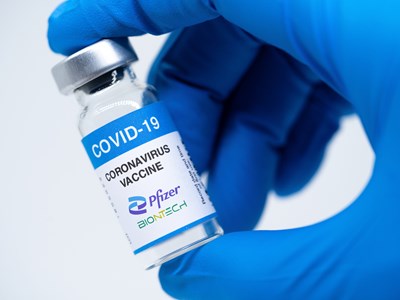
Pharmaceuticals giant Pfizer alleges that an employee stole COVID-19 vaccine secrets in advance of a job move to a rival company.

The New York-headquartered firm filed a complaint in a Californian district court earlier this week against “soon-to-be-former employee” Chun Xiao (Sherry) Li, according to Bloomberg Law. 

It reportedly alleges that Li uploaded more than 12,000 files, including “scores” of confidential documents to a Google Drive account. They’re said to have included vaccine study analysis and info on the development of new drugs.

It’s claimed that the pharma giant detected the activity after installing software to monitor for suspicious behavior, such as uploading files to the cloud. The firm had reportedly already disabled USB access on employee devices.

Li allegedly uploaded the files over a three-day period in October 2021. Officials at the firm reportedly investigated and found an email containing a job offer from Californian pharma firm Xencor.

When confronted, Li is said to have claimed she was merely organizing her files offline. However, in the space of a few hours between meetings with Pfizer forensics staff, she deleted the files, according to the report.

Li transferred to San Diego from Pfizer’s product development group in China after working there for a decade.

“Pfizer takes the safeguarding of sensitive and confidential information very seriously,” a statement from the firm noted. “Protecting that information is critical to scientific innovation, ultimately enabling us to deliver breakthroughs for patients.”

ImmuniWeb founder Ilia Kolochenko explained that pharmaceutical firms are a significant target for both nation-state and financially motivated threat actors.

“Some intrusion campaigns are extremely sophisticated and may deliberately include false flags, such as insider-related incidents, to serve as a smokescreen aimed to distract cybersecurity teams from a much bigger intrusion,” he added.

“This may also be a case with the disclosed Pfizer incident, but it’s too early to make any conclusions at this point in time.”

—————
Boost Internet Speed
Free Business Hosting
Free Email Account
Dropcatch
Free Secure Email
Secure Email
Cheap VOIP Calls
Free Hosting
Boost Inflight Wifi
Premium Domains
Free Domains

Friday Squid Blogging: Bobtail Squid and Vibrio Bacteria

Research on the Vibrio bacteria and its co-evolution with its bobtail squid hosts.

As usual, you can also use this squid post to talk about the security stories in the news that I haven’t covered.

Read my blog posting guidelines here.

—————
Boost Internet Speed
Free Business Hosting
Free Email Account
Dropcatch
Free Secure Email
Secure Email
Cheap VOIP Calls
Free Hosting
Boost Inflight Wifi
Premium Domains
Free Domains