Microsoft Corp. today released software updates to fix dozens of security vulnerabilities in its Windows operating systems and other software. This month’s relatively light patch load has another added bonus for system administrators everywhere: It appears to be the first Patch Tuesday since March 2022 that isn’t marred by the active exploitation of a zero-day vulnerability in Microsoft’s products.
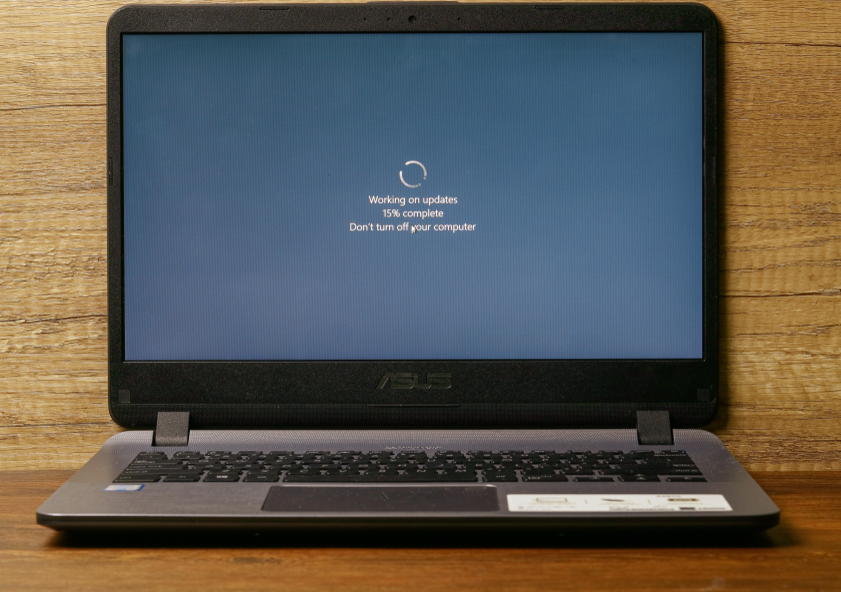
June’s Patch Tuesday features updates to plug at least 70 security holes, and while none of these are reported by Microsoft as exploited in-the-wild yet, Redmond has flagged several in particular as “more likely to be exploited.”
Top of the list on that front is CVE-2023-29357, which is a “critical” bug in Microsoft SharePoint Server that can be exploited by an unauthenticated attacker on the same network. This SharePoint flaw earned a CVSS rating of 9.8 (10.0 is the most dangerous).
“An attacker able to gain admin access to an internal SharePoint server could do a lot of harm to an organization,” said Kevin Breen, director of cyber threat research at Immersive Labs. “Gaining access to sensitive and privileged documents, stealing and deleting documents as part of a ransomware attack or replacing real documents with malicious copies to further infect users in the organization.”
There are at least three other vulnerabilities fixed this month that earned a collective 9.8 CVSS score, and they all concern a widely-deployed component called the Windows Pragmatic General Multicast (PGM), which is used for delivering multicast data — such as video streaming or online gaming.
Security firm Action1 says all three bugs (CVE-2023-32015, CVE-2023-32014, and CVE-2023-29363) can be exploited over the network without requiring any privileges or user interaction, and affected systems include all versions of Windows Server 2008 and later, as well as Windows 10 and later.
It wouldn’t be a proper Patch Tuesday if we also didn’t also have scary security updates for organizations still using Microsoft Exchange for email. Breen said this month’s Exchange bugs (CVE-2023-32031 and CVE-2023-28310) closely mirror the vulnerabilities identified as part of ProxyNotShell exploits, where an authenticated user in the network could exploit a vulnerability in the Exchange to gain code execution on the server.
Breen said while Microsoft’s patch notes indicate that an attacker must already have gained access to a vulnerable host in the network, this is typically achieved through social engineering attacks with spear phishing to gain initial access to a host before searching for other internal targets.
“Just because your Exchange server doesn’t have internet-facing authentication doesn’t mean it’s protected,” Breen said, noting that Microsoft says the Exchange flaws are not difficult for attackers to exploit.
For a closer look at the patches released by Microsoft today and indexed by severity and other metrics, check out the always-useful Patch Tuesday roundup from the SANS Internet Storm Center. And it’s not a bad idea to hold off updating for a few days until Microsoft works out any kinks in the updates: AskWoody.com usually has the lowdown on any patches that may be causing problems for Windows users.
As always, please consider backing up your system or at least your important documents and data before applying system updates. And if you run into any problems with these updates, please drop a note about it here in the comments.
—————
Free Secure Email – Transcom Sigma
Boost Inflight Internet
Transcom Hosting
Transcom Premium Domains